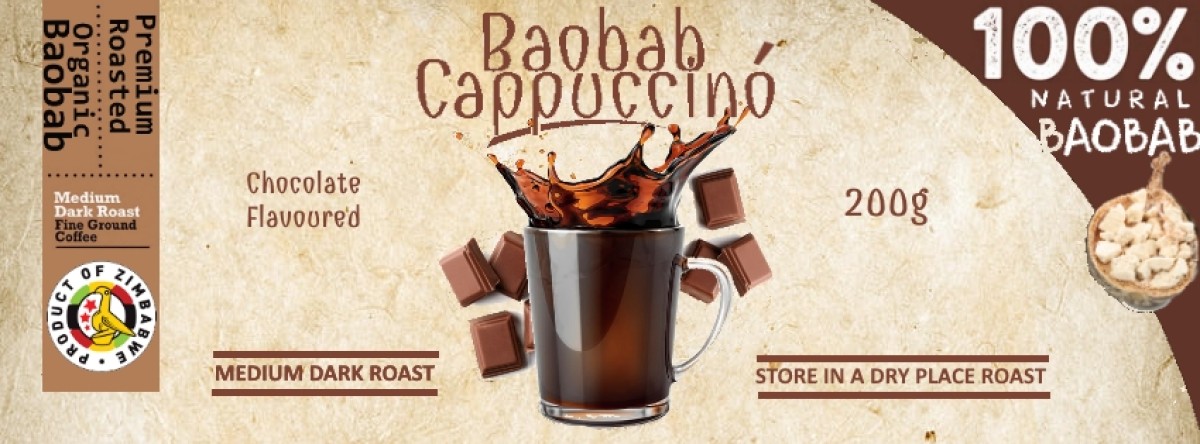
Nutrition Dense Food Products is an ambitious project seeking modernise traditional African foodstuffs. Many of the traditional remedies and food stuffs used since antiquity in Africa are nutrient dense but at the same time they are crude and unappealing as they are often presented as dried fruits, dried roots, bark fragments or twigs meant to be chewed raw. This is understandably off putting to the general masses and has arguably been singlehandedly the reason why many nutritious and efficacious traditional African foods & remedies fail to gain traction in the local & global market. As such, this project is taking these African traditional foodstuffs & remedies and presenting them with a “Friendly Face” or a familiar presentation format like drinks, smoothies, coffee’s e.t.c.. Giving these traditional African foodstuffs & remedies a “Friendly Face” (widely acceptable presentation format & dosage form) will greatly improve public perception of these African foods & remedies and will make them gain wider acceptance by the masses. The core idea of my work with Project 12.3, is to reduce horticultural food loss and waste in agricultural supply chains. The main social problem in my community, as highlighted by the Food and Agriculture Organization (FAO), is that 24% of the world’s food supply is going uneaten but at the same time a lot of people in Sub-Saharan are facing hunger. As such, In pursuit of Sustainable Development Goal 12.3, my project uses an innovative drying procedure that utilizes fluidized bed and infrared dryers to convert unaesthetic, overripe fruits & vegetables into nutrition dense, value added nutritional products. These products will reduce food waste and bolster food and nutritional security. Additionally, this project is aligned with the WHO Global Strategy on diet which recommends that Africans should increase consumption of fruit and vegetables in order to mitigate the rise of Non-communicable diseases. In as much as this innovative project promotes good health and wellbeing, it also lowers the amount of methane and Greenhouse Gases released into the atmosphere from food loss and waste that ends up in landfills. Additionally, this project employs the services of women and the youth who have historically been disproportionately underrepresented in Sub Saharan agricultural entrepreneurship
- 2 Falcon Street, Belmont, Bulawayo, Zimbabwe Bulawayo, Unknown 263
- Ngonidzashe Mangumba
- +263774586958
- ngonidzashemangumba@gmail.com
- 16