Agroforestry is the practice of combining the management of annual crops and/or animals with trees. Agroforestry systems, largely composed of perennial crops, offer the resilience needed to address extreme climatic issues such as drought and torrential rain, along with social and economic factors that influence agricultural production of small-scale farmers. Trees used for agroforestry provide food, forage, industrial raw materials, lumber, fuel, and mulch, while diversifying diets and income.
Fruit farming is an agroforestry practice that can be used to mitigate climate change through: The sequestration of carbon in soils and biomass. Reduction of greenhouse gas emissions from deforestation and agricultural activities.
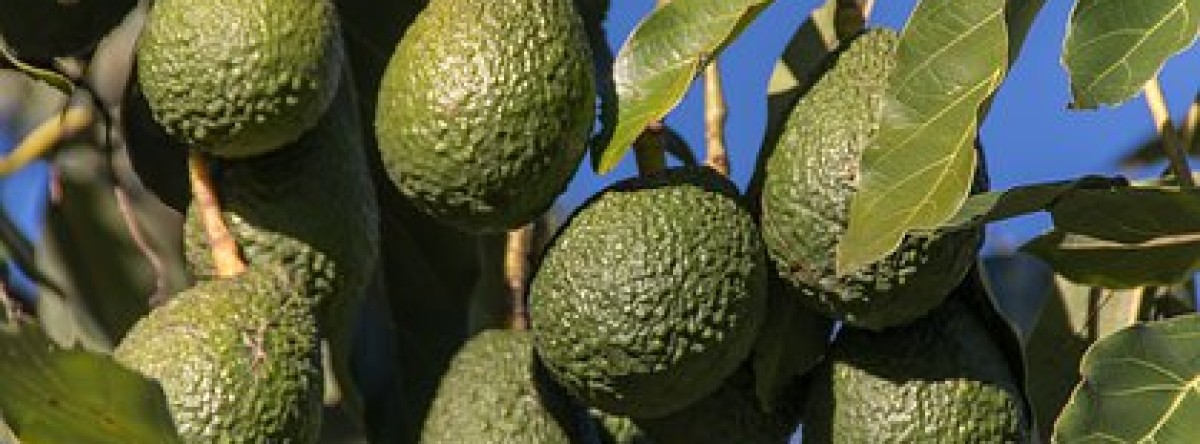
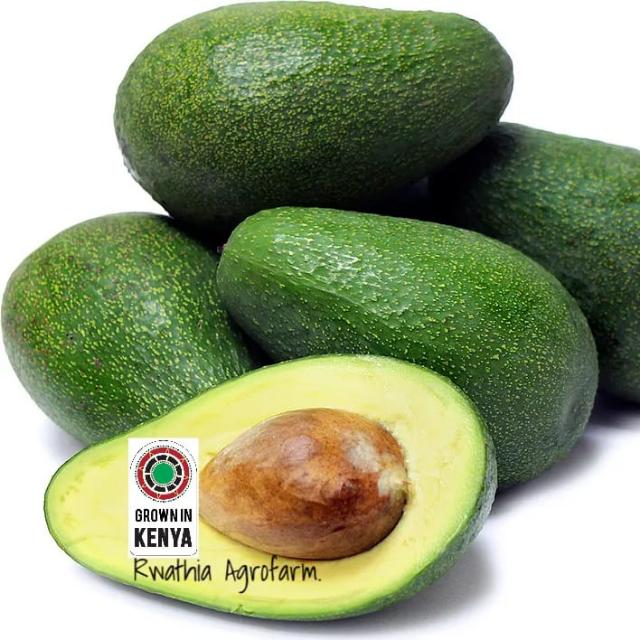
Avocado is quickly becoming one of the main commercial crops in Kenya. The tree bearing pear-shaped fruits – originally from Central and South America – now dots many homesteads and farms in the highlands of Kenya, as the humid tropical climate in the area provides ideal growing conditions for avocados to thrive. The varieties commonly grown in the area include Hass, Fuertes, Pinkerton, and Puebla. The main season for the fruit is from March to September, with the off-season from October to February, allowing farmers to harvest all year round.
In Kenya, the popularity of growing avocados has grown, attracting many farmers to venture into production. There are large markets in the European Union, China, and Middle East, and the fruit’s health benefits – and wide application in the food, pharmaceutical, and cosmetic industries – is contributing to increased consumption both locally and abroad. Yet despite these opportunities, local farmers have limited knowledge on climate-smart agriculture practices for avocado growing, or information related to handling and marketing, and this has affected the sustainability of their livelihoods.
It has become critical to build the capacity of avocado farmers to enable them to adjust their management practices, to overcome production-related challenges brought on by climate change, and contribute towards improved farm-level climate adaptation, household food security, and nutrition – as well as sustainable livelihoods. Consumers are also becoming more conscious of safely produced fruits, – hence the need for avocado farmers to adopt practices that are healthy and environmentally friendly to remain viable.
Adjusting management practices is key to overcome production-related challenges such as water unavailability, weeds, pests and diseases brought by climate change.
Avocado farming is considered lucrative as the trees are now found in many homesteads and farms in the highlands of Kenya.
The potential of fruit trees to optimize the combined benefits of livelihoods, food security, nutrition and climate mitigation and adaptation is promising and huge.
Climate change mitigation has become an integral part of modern society; scientists, politicians, citizens and non-governmental organizations are working towards finding ways to mitigate our negative impacts on the environment. Integrating perennial fruit trees into agroforestry systems, can benefit both the people and the environment.
Trees play a vital role in moderating temperature because they take up carbon dioxide and release oxygen. Fruit trees are especially beneficial because the fruit is edible and can be sold or consumed by farmers or community members.
Soil degradation, deforestation, and inadequate reclamation practices result in loss of soil nutrients and fertility. Planting fruit trees such as macadamia and avocado promote afforestation and reforestation practices, which contribute to a reduction of greenhouse gas emissions and also improve the environment by increasing air and water quality, soil fertility, and bring in incomes for the small-scale farmers at the bottom of the value chain.
The idea of climate change mitigation has been gaining popularity in recent years because people are becoming more aware of the detrimental effects humans have on the environment. To mitigate climate change, we must find ways to reduce our emissions and conserve energy. Fruit farming is a good way for farmers throughout the world to do this, especially in areas where resources are scarce.
Our premise (at Rwathia Agrofarm), is that if we want to plant many thousands of trees for carbon and nature benefit, we should invest in good fruit orchards and agroforestry. This includes protecting, restoring, and creating new, organic orchards and supporting farmers in using agroforestry approaches. Proper fruit tree orchards management practices and propagation protocols can be designed to increase carbon sequestration, while gaining some socio-economic benefits. The co-benefits of more fruit trees include: enterprise, incomes and jobs and nutritional security.
The potential of fruit trees to optimize the combined benefits of livelihoods, food security, nutrition and climate mitigation and adaptation is promising but not yet fully understood nor applied in practice.
Therefore, this project seeks to increase avocado trees-growing, in targeted agricultural landscapes of Kenya. We are looking forward to aggregating 3000 small-scale farmers in various registered groups in the larger Lakipia County. It is anticipated that fruit trees will provide nutritional diversity, increased food supply and saleable surplus production to people in need, thereby, contributing towards increased household incomes.
Venture into fruit farming and be part of the environmental conservation goals.
https://rwathiaagrofarm.co.ke/
https://www.linkedin.com/.../rwathia-agrofarm-director.../
https://www.tiktok.com/@rwathiaagrofarm
https://www.instagram.com/rwathiaagrofarm/
https://www.flickr.com/photos/196493378@N06/
https://www.google.com/search?q=Rwathia%20Agrofarm...
https://twitter.com/rwathiaagrofarm
https://www.pinterest.com/rwathia/
https://web.facebook.com/rwathia.agrofarm
Avocados (HS 0804400)
- 13257-00200 Nyahururu, Alaska
- https://rwathiaagrofarm.co.ke/
- Joseph Gitigi
- +254721311391
- rwathiaagrofarm@yahoo.com
- 10




Upcoming Events


